Hidden moisture behind drywall, under flooring or above a ceiling is what most inspections are really after. Meters and cameras let the assessor check without opening everything up. Call the number on this page to be connected with a local mold company in Bergheim.
What you might notice first
Often the first hint is not visual. People mention a stuffy bedroom, a cold spot on an exterior wall, or a closet that smells like wet cardboard. None of that proves mold, but each one is a good reason for a closer look.
Old houses and new ones
Older homes can have aging supply lines, original windows and patched leaks. Newer ones are built tight, which traps humidity if ventilation lags. Different construction, different weak spots, and a good assessor adjusts what gets checked to match. Small details such as these often separate a useful report from a vague one.
On larger rural lots, assessors often add well houses, barns and older outbuildings to the walk, since long supply runs and aging roofs leak without anyone noticing.
Less than the wrong repair
Ripping out drywall in the wrong spot, or repainting over a live leak, costs far more than a proper look. The inspection fee buys direction, which is why many people pay for it before they hire anyone to cut into walls. Bring up any prior mold history in the house, even if it was cleaned long ago.
What happens when they arrive
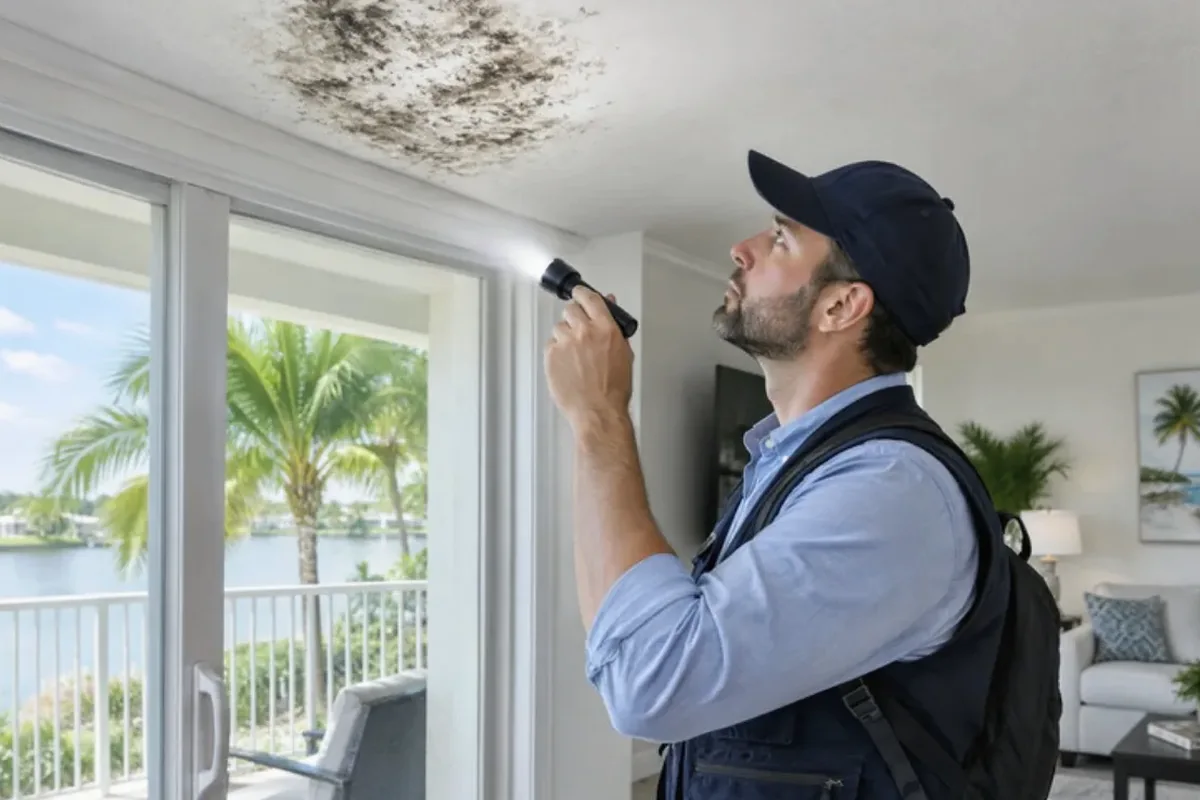
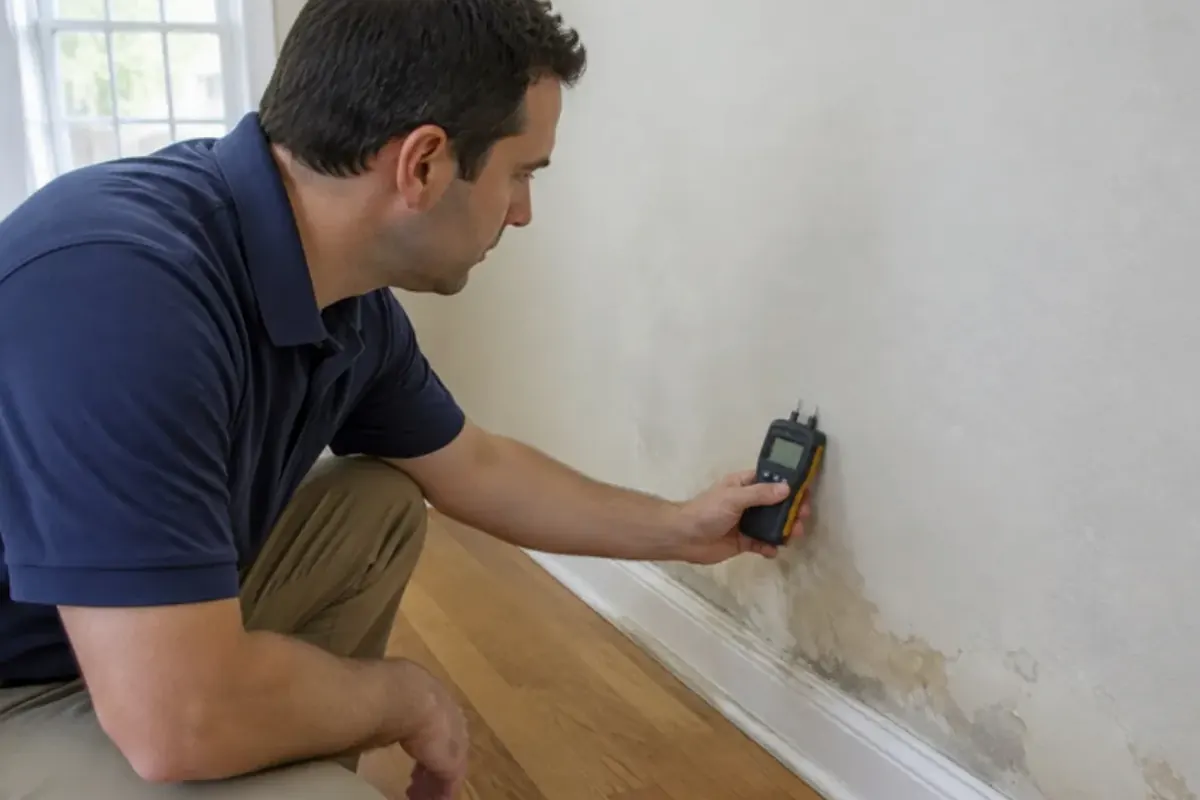
The assessor starts with a conversation: where the problem is, when it began, what repairs were made. Then comes a room-by-room walk with a moisture meter, a flashlight and often a thermal camera, followed by notes and photos of everything relevant. Hold on to every receipt and report, since they build a useful history for the property.
Do not mask the problem
Air fresheners, fresh paint and bleach rinses make a room smell better without fixing anything. EPA does not generally recommend biocides like bleach for routine cleanup. Find the water, repair it, dry the area, then address any growth properly.
Bergheim: offices and rules that apply
In Texas, paid mold assessment and mold remediation are regulated by TDLR. When the mold covers 25 contiguous square feet or more, the company doing the work needs a TDLR mold license; ask for the number up front.
After a regulated project clears, the owner receives a Certificate of Mold Damage Remediation; keep it with your insurance papers and closing documents.
Cleanup alone rarely needs a permit, but replacing framing, drywall or cabinets afterward might; Kendall County Development Management can say what applies.
If rainwater or a rising creek came inside, look the address up on FEMA's flood maps and call your insurer before the cleanup starts.
Help is also a call away in Boerne, Spring Branch and Bulverde.
Mold Inspection questions in Bergheim
What is a mold inspection?
Is a small patch something I can handle myself?
Does the assessor check the air conditioner?
Who handles renters' mold concerns?
More mold services in Bergheim
Mold Inspection nearby
Helpful guides
Sources
Last updated: