Think of it as detective work on water. The assessor follows stains, odors and damp readings back to a leak, a sweating duct or a drainage fault, then records it for you. Call the number on this page to be connected with a local mold company in Spring Branch.
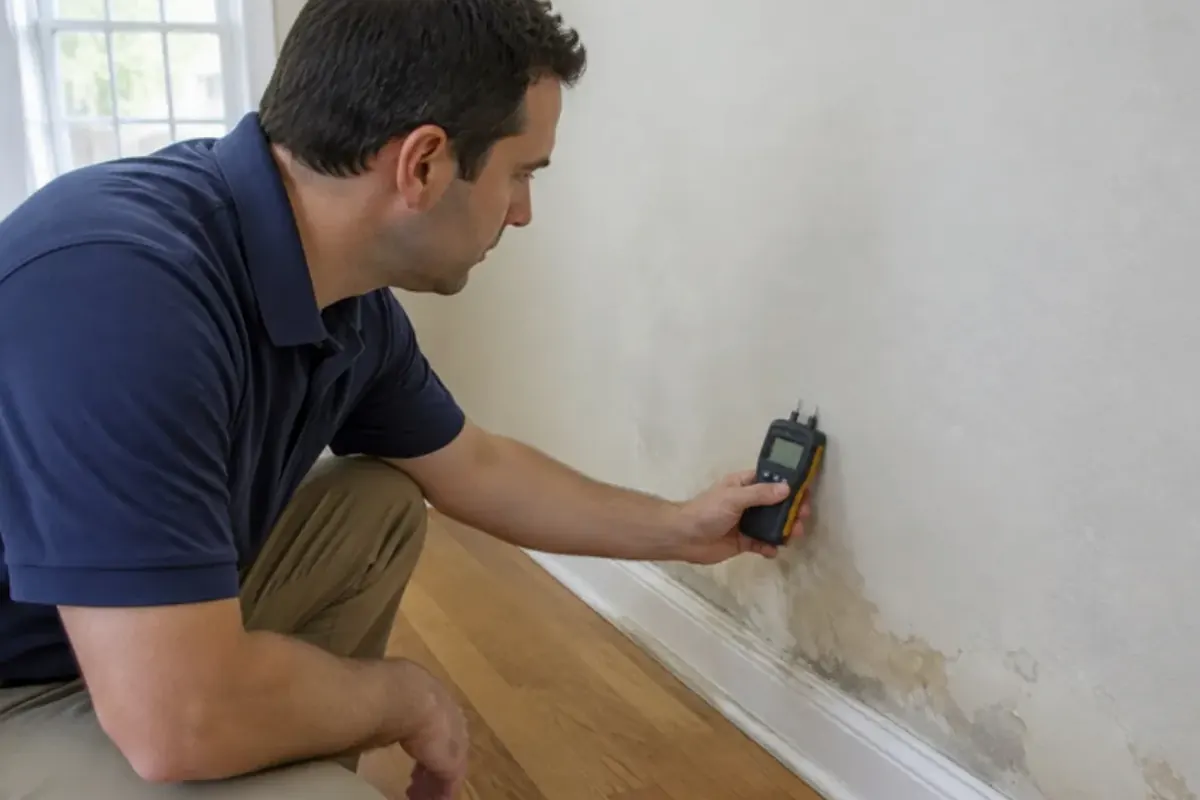
Look, then call
- Check under sinks and around the water heater.
- Open closets on exterior walls.
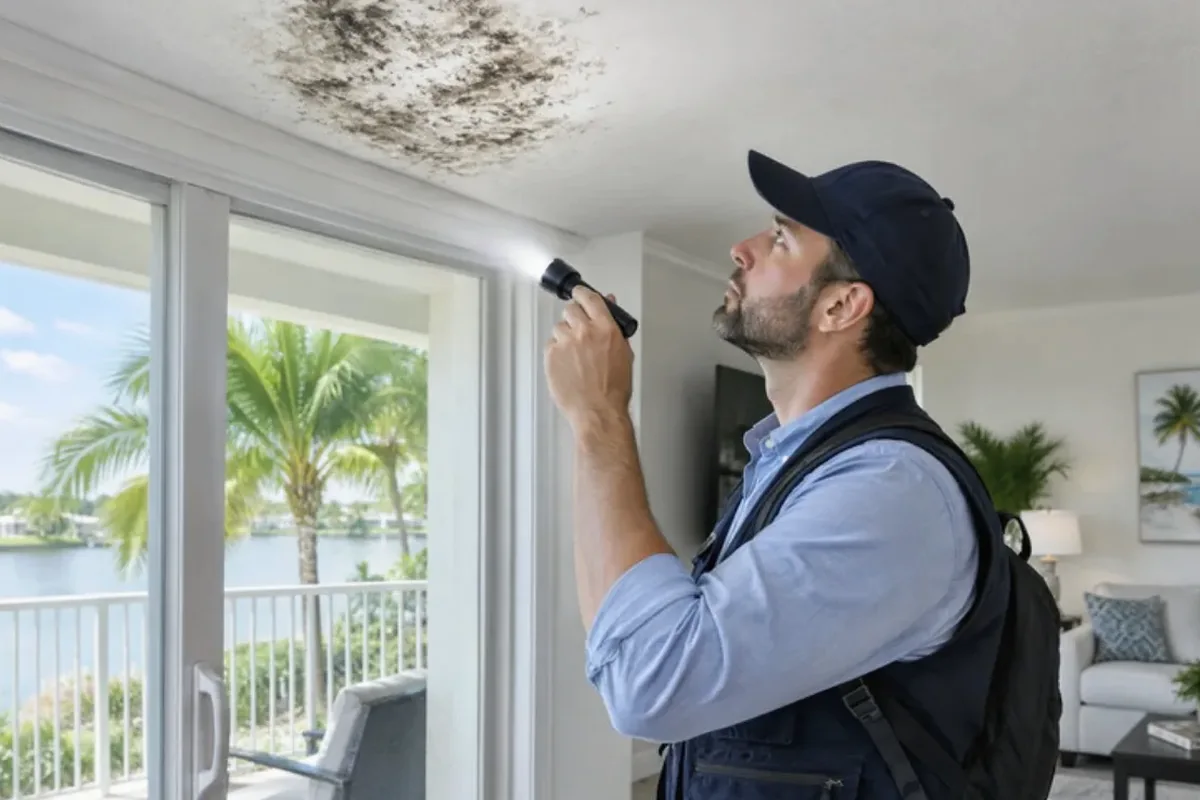
- Look above the ceiling stain for the cause.
- Note when the smell is strongest.
Jot down what you find, then call so the assessor starts with context. Photos taken on the day often matter later, so keep your own copies as well.
Roof and flashing leaks
Summer storms and hot sun wear on shingles, vent boots and flashing. Water finds a small gap and travels along framing before it stains anything. An assessor follows the trail from the visible mark up to the real entry point. Questions like these are normal, and a good company will answer them without pressure.
Close to open water, flash-flood creeks can push moisture into crawl spaces and low rooms quickly, and an inspection helps show whether that water ever fully dried out.
Questions about pricing
How long will the visit take? Is the report included? Are samples extra, and how many? Is there a trip fee? Asking these up front lets you compare companies fairly and avoids a surprise once the visit is done. Where the answer is uncertain, a good assessor will say so and suggest a recheck.
After the walk-through
Before leaving, a good assessor explains the main findings out loud. The written report follows with photos, readings, a probable moisture source and recommendations. If a cleanup is needed, a protocol describes the scope for any remediator to price. Ask which rooms were not reached, so nothing is assumed to be clear when it was not checked.
When it cannot wait
Active leaks, standing water, a soaked ceiling and large areas of visible growth deserve prompt attention. Shut off the water if you can, run fans, and call. If anyone has health concerns, talk with your doctor and keep that person away from the area.
Checks to make in Spring Branch
In Texas, paid mold assessment and mold remediation are regulated by TDLR. When the mold covers 25 contiguous square feet or more, the company doing the work needs a TDLR mold license; ask for the number up front.
After a regulated project clears, the owner receives a Certificate of Mold Damage Remediation; keep it with your insurance papers and closing documents.
Once the moldy material is out, rebuilding is a separate step that may call for a permit from the local building department.
Outside water and plumbing leaks are usually handled differently by insurers; FEMA's flood map search shows whether the lot sits in a mapped zone.
The same companies often take jobs in New Braunfels, Bulverde and Bergheim too.
About Spring Branch
Calls reach us from all over Spring Branch, including U.S. Highway 281, Phantom Rider Trail, Adam Becker Homestead.
The city is named for a spring-fed creek that flows into the Guadalupe River, which borders a significant portion of the community.
Mold Inspection questions in Spring Branch
Can the same company inspect and then remove the mold?
What is in the written report?
Should I clean or paint before they come?
Will my homeowners policy cover an inspection?
More mold services in Spring Branch
Mold Inspection nearby
Helpful guides
Sources
Last updated: