Storm and flood mold removal covers cleanup of mold that grows after rain, runoff or a roof leak soaks a building. Floodwater is a bigger job than a plumbing leak because it reaches lower walls, flooring and insulation. Call the number on this page to be connected with a local mold company in San Antonio.
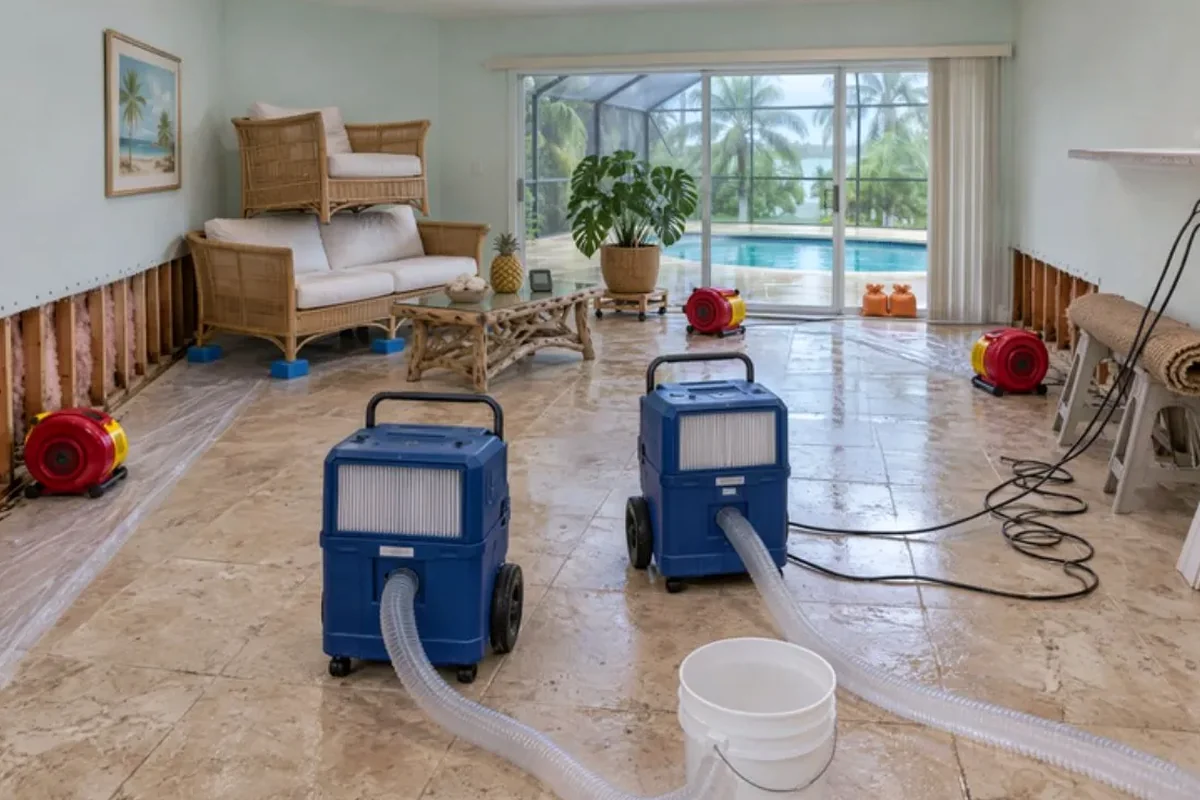
Why this area floods so fast
San Antonio sits in the part of Texas known as Flash Flood Alley, where hard downpours run off clay soil and limestone into creeks, low-water crossings and drainage ditches in minutes. The San Antonio River, Cibolo Creek and Hill Country streams to the north and west all rise quickly. The National Weather Service is blunt on the safety side: never drive or walk into flood waters, and about 12 inches of moving water can carry away most cars.
First steps once the water recedes
- Do not enter until the area is safe and power to wet areas is off.
- Photograph everything before moving it, for insurance.
- Pull out soaked carpet, pad and loose items, and begin drying right away. EPA recommends drying within 24 to 48 hours.
- Run fans and dehumidifiers if the air system and wiring are safe to use.
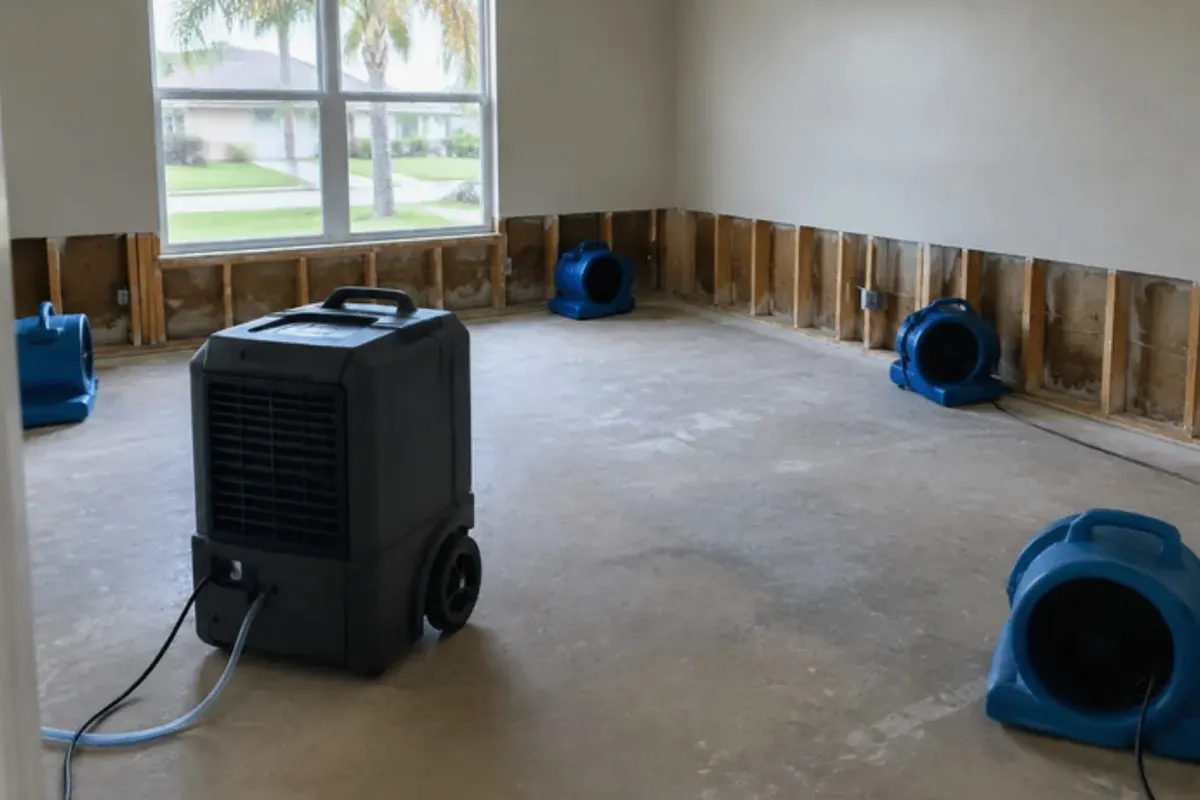
What a mold crew handles afterward
Floodwater typically wets drywall to a set height, soaks insulation and wicks into bottom plates and cabinets. Crews assess how far moisture traveled, remove wet porous material, clean and dry framing, and contain the area while they work. Texas treats mold above 25 contiguous square feet as a TDLR-regulated job, with a written protocol from an assessor and a work plan from the remediation company. A separate consultant does the clearance assessment.
What it costs
A San Antonio cost guide puts general remediation at about $10 to $19 per square foot, with roughly $9,600 to $19,100 for 1,000 square feet. A flooded house often reaches that scale. Water removal, drying and rebuilding are billed apart from the mold work, and these are published estimates, not quotes.
Permits and floodplain questions
If you live in the city, building permits and inspections for repairs go through the San Antonio Development Services Department. In unincorporated Bexar County, Public Works handles permits and floodplain development, and its Bexar Flood Facts map lookup shows your zone. Substantial rebuilding in a floodplain can require a permit, so ask before closing up walls.
Choosing the company
Check the remediation company with TDLR's Verify a License search first. This site is a referral line that connects you with independent companies, so confirming credentials is your step.
Storm & Flood Mold Removal questions from San Antonio homeowners
How soon should I start drying after a flood?
Is it safe to drive through standing water to check my house?
Do I need a permit to repair flood damage?
Who pays for the call?
Related mold services in San Antonio
Helpful guides
Storm & Flood Mold Removal in nearby cities and towns
Bexar County
Comal County
Guadalupe County
Kendall County
Medina County
Bandera County
Sources
Last updated: